

Good riddance, 2020. We look forward to 2021 hopeful and optimistic. We have learned to interact with family and friends virtually. We anticipate some of those new communication paths will continue to be used even when we are seeing them in real life. We are very grateful that we live in this great area — the Upper Valley of New Hampshire and Vermont.
Even though nobody but us would see it, we again erected a small artificial tree with colored lights. Jann alerted me to the reflection of those lights in our enduring collection of CDs, as seen above.
In my last blog, I celebrated the wonderful snowstorm that graced New England mid-December. But the rains of Christmas day eliminated virtually all of the snow.
The next evening at 6 PM I spotted some iridescent clouds around the moon. Iridescent clouds are caused by small water droplets or ice crystals individually scattering light. At times the colors can be very vivid near the sun or moon.

We got some snow flurries December 28. They didn’t amount to much, but they did make an interesting pattern falling with a background of white birch.

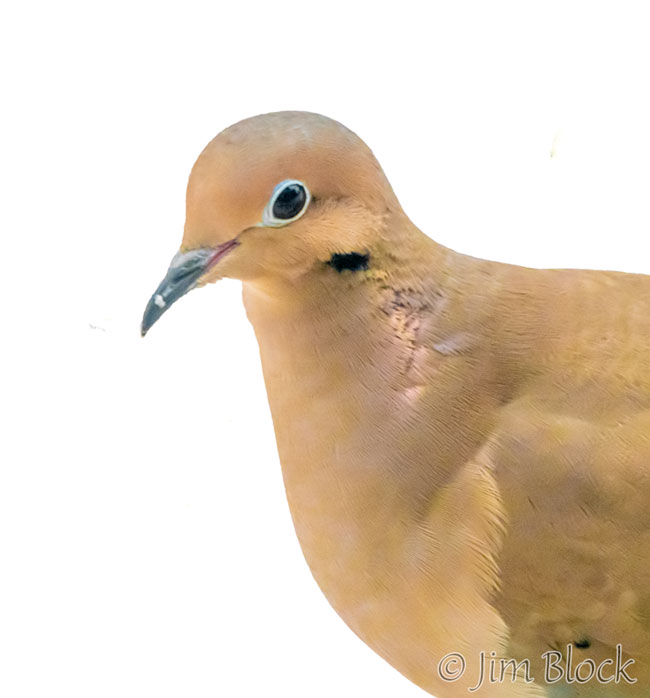
A Mourning Dove found a small patch of white snow that had slid from our roof and still remained.
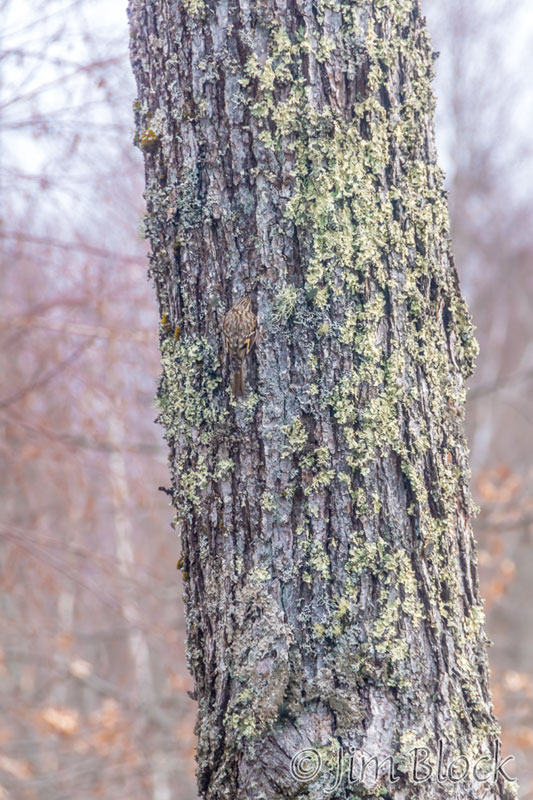
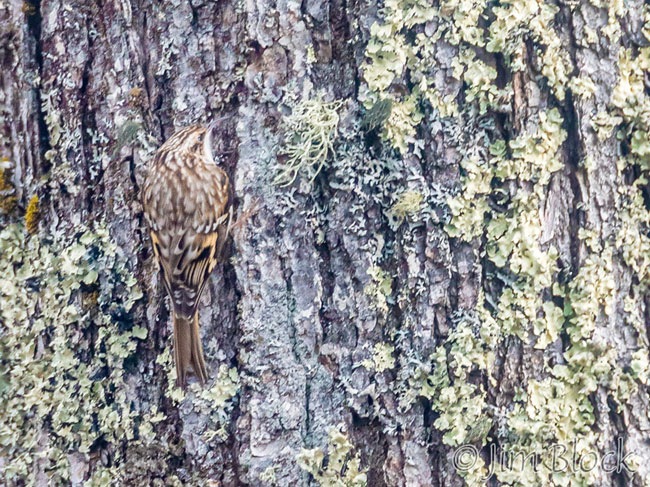
My last photos of 2020 were of one of my favorite birds – a Brown Creeper. We were fortunate to spot it around noon. It was a great way to put an end to 2020. These birds are around all year, but they are rarely seen, partially because of their great camouflage.
I paid tribute to this species in a previous blog which included poetic words of Ted Levin.
Did you spot the Brown Creeper in the photo to the right?
If not, here is another view of the bird.
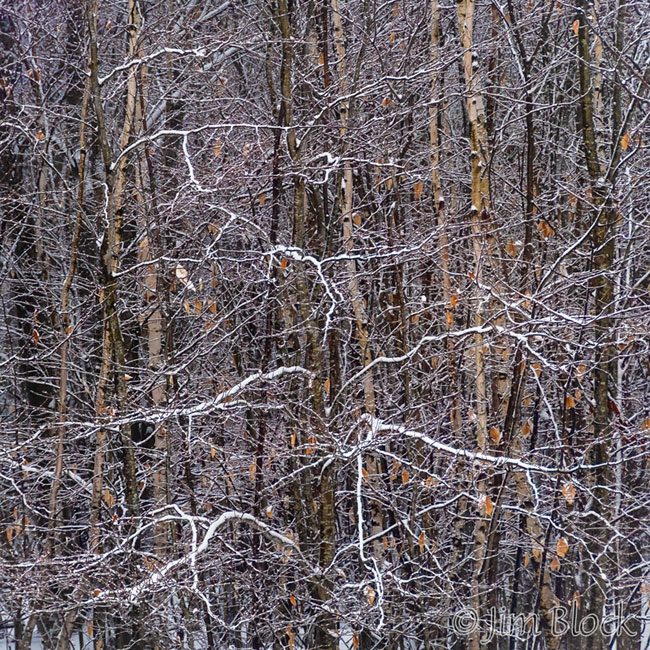
Jann and I celebrated New Year’s Day by hiking along a beautiful back road in Lyme. Along the way the beech trees were glowing in the diffuse afternoon light.

The second day of the New Year brought a “wintery mix“. It wasn’t useful for much, but it did make our yard look a bit more winter like.
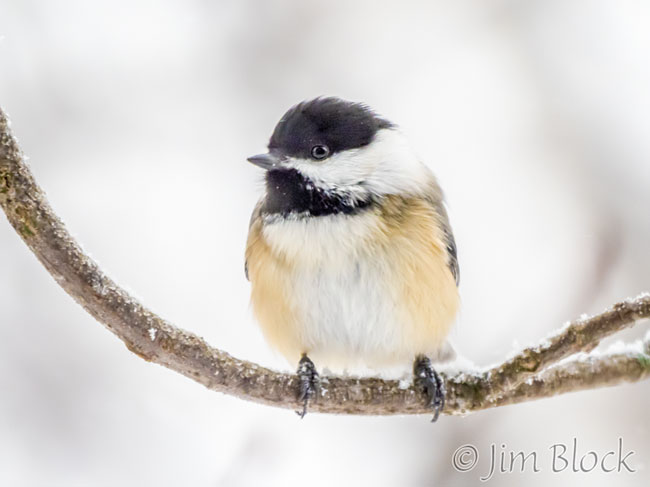
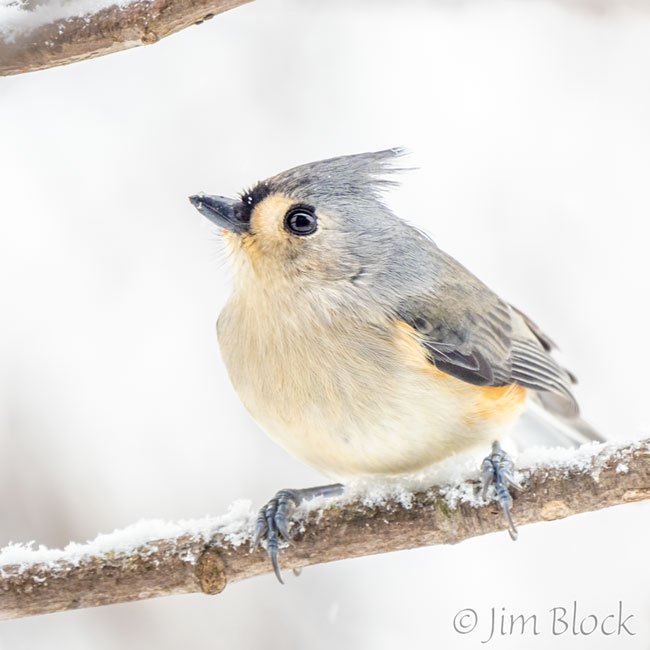
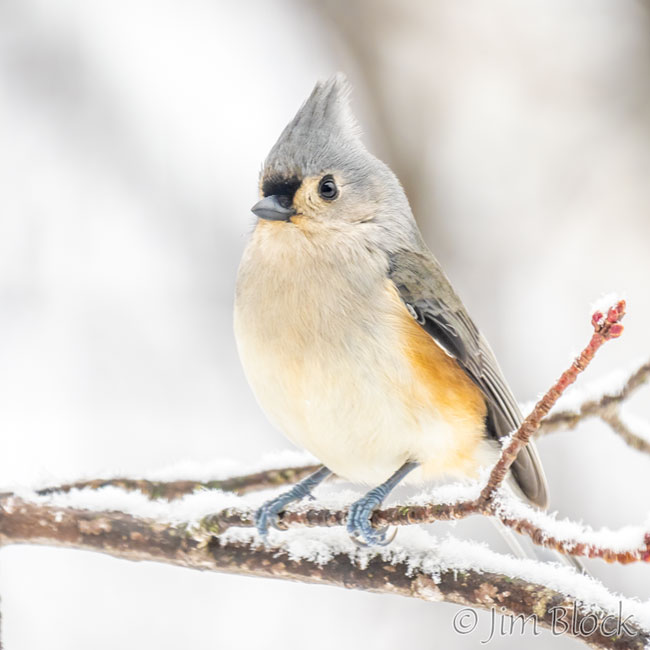
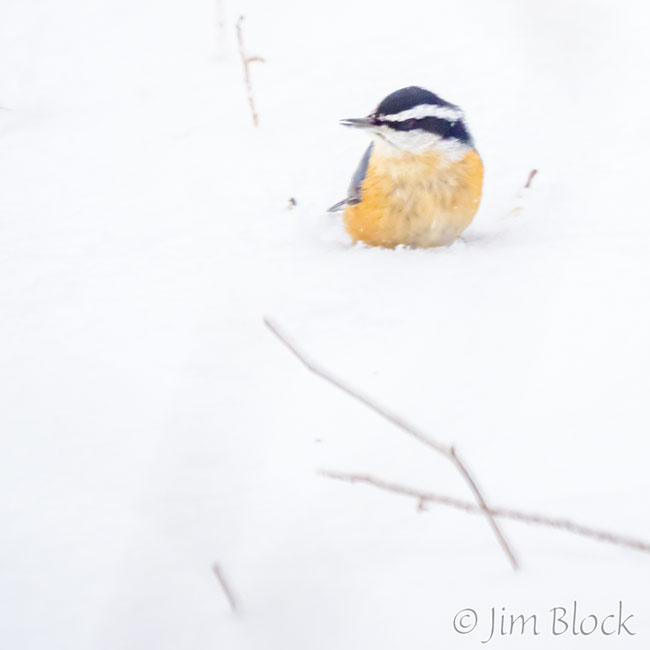
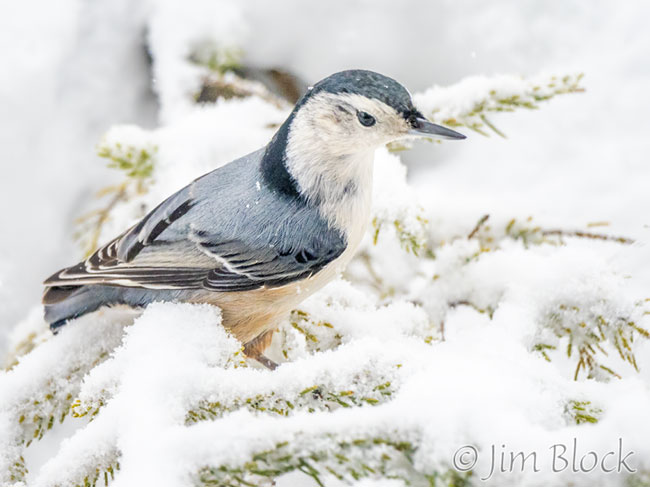
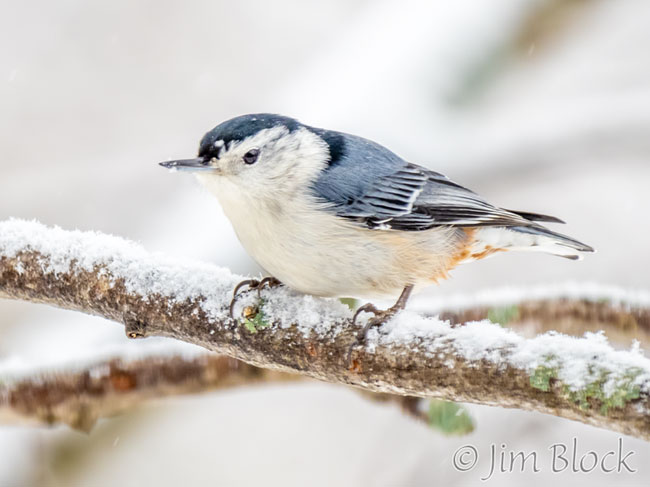
Here is a collection of four common birds in the snow on January 2nd: chickadee, tufted titmouse, red-breasted nuthatch, and white-breasted nuthatch.
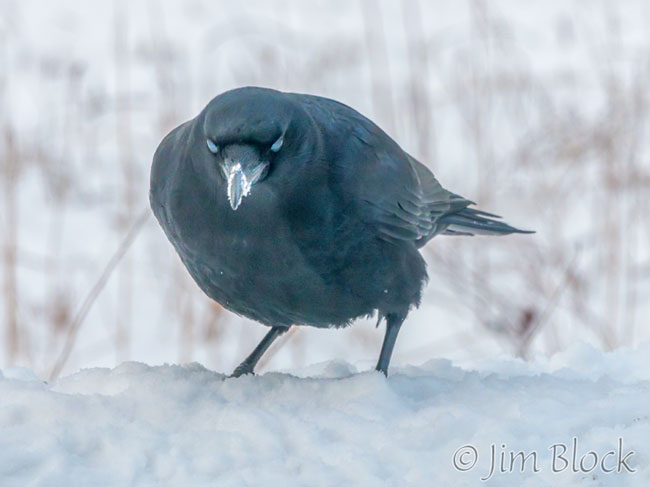
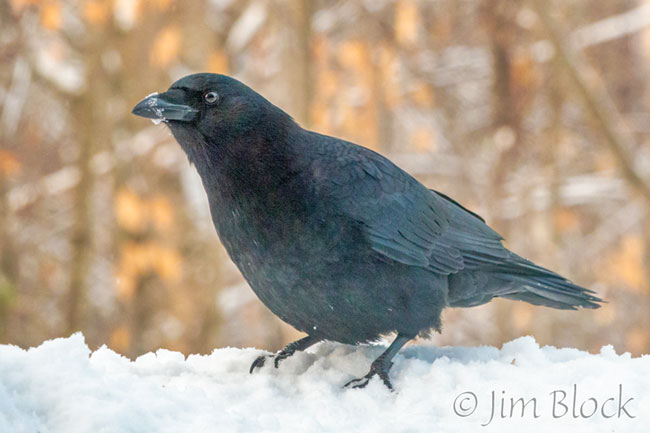
All birds have three eyelids. In addition to an upper and lower, the third is a translucent nictitating membrane. It moistens and cleans the cornea and protects it from damage when flying through brush. It is also used by crows to project spooky images when photographers try to take their photos, much like young children do when making a face for a camera.
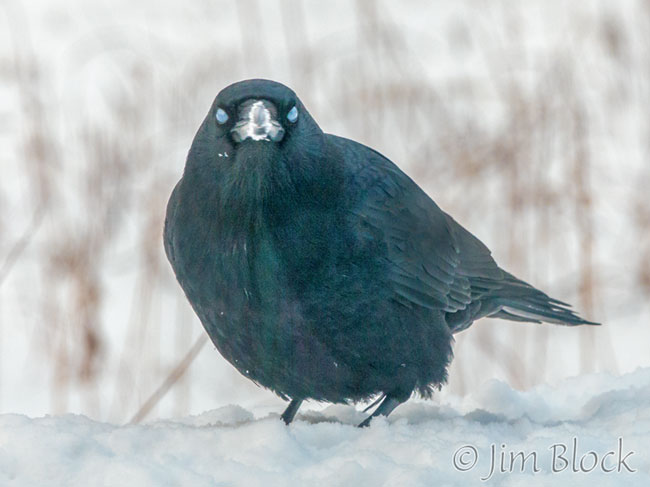
Here are three more photos of this American Crow that paid a brief visit to our yard on January 3.

Here’s to a great 2021.